Aurora: The Lucid Dreaming Headband
Before you read on, the short version: the Aurora headband is no longer available. After a hugely successful Kickstarter, iWinks shipped some units, then the companion app was discontinued - which left even working headbands effectively unusable. This page stays up as a record of what the Aurora promised, because the idea was well ahead of its time and its successors are finally here. I cover those at the end, along with what I'd buy in 2026.
The Aurora headband by iWinks was the first of a new generation of lucid dreaming devices. The most exciting aspect? Its ability to detect exactly when you're in REM (dream) sleep.
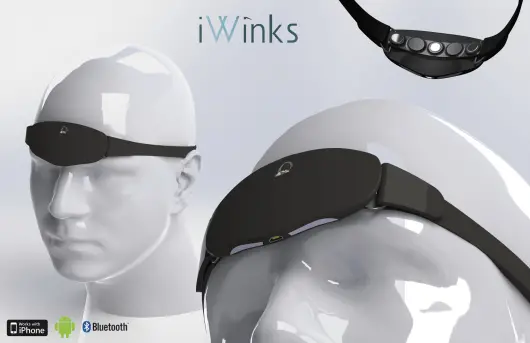
The Aurora headband set out to overcome the greatest hurdle of lucidity induction devices since their inception in the mid 1990s.
So how is it possible for a consumer device to detect REM sleep?
Usually, "sleep staging" has to be done by professionals who analyze your brainwave data, identifying signals which demarcate different sleep states. With Aurora, that process is automated.
A self-confessed bunch of geeks with a passion for dreams, the crew at iWinks developed specialized software using artificial intelligence and statistical machine learning techniques to interpret EEG data. With data gathering ongoing, analysis is now increasingly accurate.
The upshot is, the Aurora knows when you're dreaming.
Think about that. For the first time ever, we can now detect the presence of dreams from the outside world - on autopilot (ie, without being wired up in a sleep lab with a scientist holding a clipboard watching over you).
Aren't there apps that do this?
Some smartphone apps attempt to track your sleep - but none of them use brainwave data. Instead they rely on the accelerometer in your phone to detect movement. This has its limitations and still relies on guesswork. Aurora possesses a new technology altogether, making REM detection way more accurate.
How The Aurora Creates Lucid Dreams
We all dream every night, for an average of 100 minutes, separated into chunks of increasing length throughout the night. But to catch a dream in progress - that's the tricky part.
This is the challenge of the lucid dreamer. And being able to achieve this with an intelligence device means we can trigger lucidity with a much higher success rate.
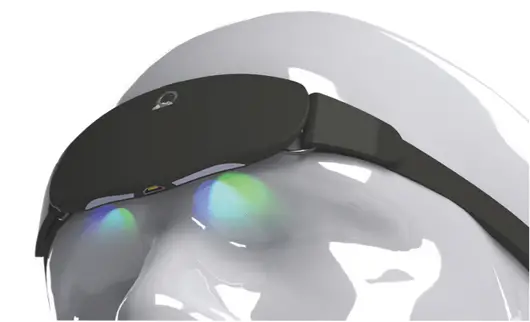
To induce lucidity, the Aurora first emits configurable dreams lights from the headband.
As you can see from the promo image, it achieves this without actually covering your eyes like traditional lucid dream masks.
To further increase your chances of becoming lucid, the Aurora also plays dream sounds from your smartphone by your bedside. These come from your music library or personal recordings ("Hey Becky! You're dreaming!") You already associate specific notification tones with your phone. Now you can associate specific dream tones too.
Between light and sound cues, you can decide how you're brought to lucidity. You can create more daring dream signs with fast, loud flashes for a shock-me-into-lucidity effect, or softer, subtler tones to subtly modulate your dreamscape.
Here's another way to use the Aurora headband: select an audio of ocean waves and shape your dreamscape into a tropical beach scene. Or curl up to a cozy fire with crackling wood sound effects and orange/red light hues.
The possibilities are pretty exciting.
Using Aurora's Smart Alarm
If you have a smartphone, you can also take advantage of Aurora's intelligent alarm function.
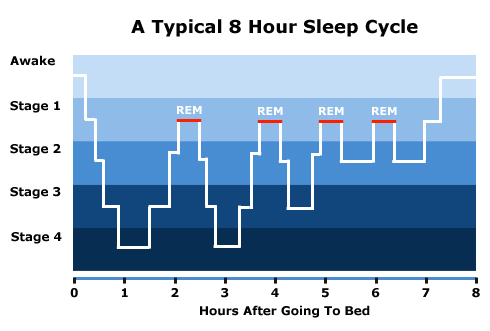
Ever heard the phrase "waking up on the wrong side of the bed"? This is when you've been forcibly roused during a deep phase of sleep. It's not natural - and it leaves you feeling groggy and that much more reluctant to get out of bed in the morning.
Enter the smart alarm. Using the Aurora app to specify your preferred wake-up window, the smart alarm will sound when you're in a lighter phase of sleep. Humans naturally wake from lighter stages of sleep so the alarm will feel much less intrusive, and you'll start your day feeling refreshed.
What Happened to the Aurora?
The Aurora raised nearly a quarter of a million dollars on Kickstarter in 2013 - one of the biggest crowdfunding successes lucid dreaming has ever had. Then came years of delays, a partial shipment to backers, and finally the quiet end: the companion app the headband depended on was discontinued, leaving even delivered units without a working brain. iWinks faded away without a formal goodbye, and the Aurora became one of dream tech's great almost-weres.
It deserves to be remembered fairly. The core idea - consumer EEG that detects REM sleep and delivers light and sound cues at exactly the right moment - was the correct idea. The Aurora was simply too early for the hardware and funding it needed.
What to Use Instead in 2026
The Aurora's EEG-based approach lives on in devices you can actually buy today. REMspace's LucidMe and LucidMe PRO masks are the current generation of smart lucidity hardware, and simpler light-cue masks like the Remee remain available for a fraction of the price. I keep a current, honest rundown of everything on the market in my guide to the best lucid dreaming devices in 2026.
And the advice I gave when the Aurora was announced still stands: no headband makes you lucid by itself. The skill that converts a light cue into lucidity is built with reality checks and the core techniques - which cost nothing at all.
Frequently Asked Questions
Can you still buy the Aurora dream headband?
No. The Aurora was never released as a general consumer product, and the companion app it required has been discontinued, so even second-hand units no longer function as designed.
What happened to iWinks?
After a successful 2013 Kickstarter and long fulfilment delays, iWinks shipped some units to backers but the project was effectively abandoned, and the app that powered the headband was withdrawn. The company never formally announced a shutdown.
What replaced the Aurora headband?
REMspace's LucidMe and LucidMe PRO masks are the closest modern equivalents, using sleep-stage detection with configurable cues. Simpler timer-based light masks like the Remee also remain available.

About The Author
Rebecca Casale is a lucid dreamer and a science writer with a special interest in biology and the brain. She is the founder of World of Lucid Dreaming and Science Me.